


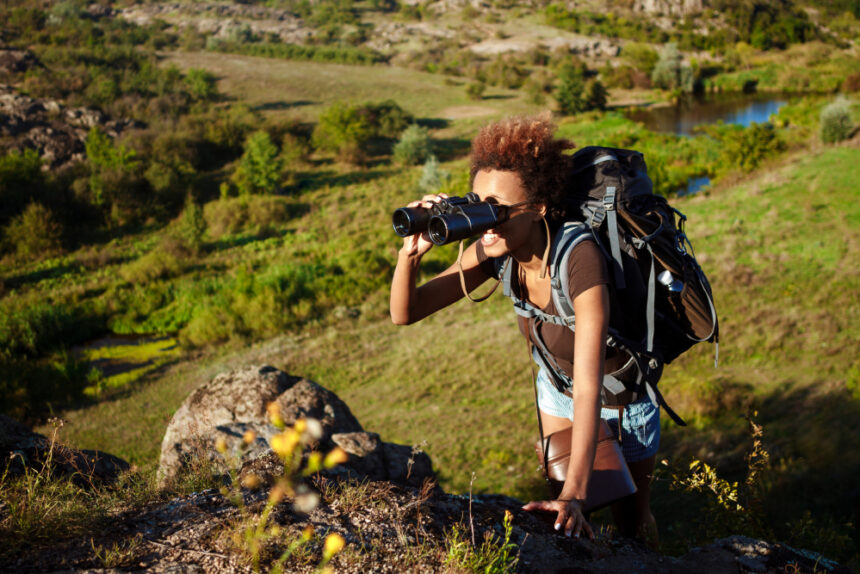
Modern life can make it easy to lose touch with nature. Between busy schedules, crowded cities, screens, and constant notifications, many people rarely get the chance to slow down and experience the natural world.
That is where nature exploration comes in.
Nature exploration is more than visiting a beautiful destination. It is about stepping away from everyday routines and experiencing forests, mountains, oceans, deserts, wildlife, and other natural environments more intentionally.
Whether you enjoy hiking through ancient forests, watching wildlife, exploring waterfalls, or simply spending time somewhere peaceful, the right trip can completely change how you see the world.
Here are 15 nature exploration trips worth adding to your travel bucket list.
What Is Nature Exploration?
Nature exploration involves traveling to natural environments to experience landscapes, wildlife, ecosystems, and outdoor activities.
Unlike conventional sightseeing, nature exploration often focuses on experiencing the environment rather than simply taking photographs of it. Hiking, camping, wildlife watching, kayaking, snorkeling, birdwatching, and trekking are all examples of activities that can become part of a nature-focused trip.
The best nature exploration experiences also encourage travelers to appreciate and protect the environments they visit.
15 Nature Exploration Trips You Should Know About
1. Explore the Amazon Rainforest
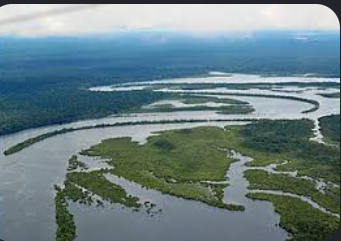
Few places represent the wild quite like the Amazon rainforest.
Spanning several South American countries, the Amazon is one of the most biologically diverse ecosystems on Earth. A trip into the rainforest can introduce travelers to dense vegetation, winding rivers, exotic birds, monkeys, reptiles, insects, and countless plant species.
Guided rainforest excursions can include hiking, canoe trips, wildlife observation, and visits to communities located within or near the forest.
For travelers interested in biodiversity, the Amazon offers one of the most immersive nature exploration experiences available.
2. Hike Through the Swiss Alps
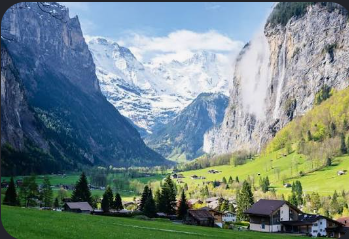
The Swiss Alps combine dramatic mountain scenery with well-maintained trails and opportunities for outdoor adventure.
Hiking through the Alps allows travelers to experience snow-covered peaks, alpine meadows, waterfalls, forests, and mountain lakes.
You do not necessarily need to be an experienced mountaineer. Many areas offer hiking routes suitable for different fitness levels, making the region accessible to both casual explorers and experienced hikers.
For breathtaking scenery and active exploration, the Swiss Alps are difficult to beat.
3. Discover the Serengeti
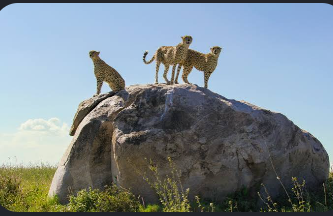
For wildlife enthusiasts, few destinations compare with Tanzania’s Serengeti National Park.
The Serengeti is famous for its vast grasslands and extraordinary wildlife. Visitors may encounter lions, elephants, giraffes, zebras, wildebeest, cheetahs, and numerous bird species.
The annual wildebeest migration is one of the most spectacular wildlife events on the planet, although wildlife experiences vary throughout the year.
A safari in the Serengeti offers an opportunity to observe animals in their natural environment rather than behind barriers in a zoo.
4. Explore the Canadian Rockies
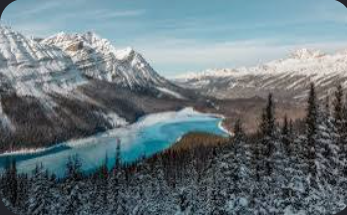
The Canadian Rockies provide an extraordinary combination of mountains, forests, glaciers, lakes, and wildlife.
Destinations such as Banff and Jasper offer numerous opportunities for hiking, camping, kayaking, photography, and wildlife observation.
Lake Louise and Moraine Lake are particularly famous for their striking landscapes, but exploring less crowded trails can provide an even deeper connection with nature.
If your ideal adventure involves dramatic mountains and peaceful wilderness, the Canadian Rockies belong on your list.
5. Experience the Galápagos Islands
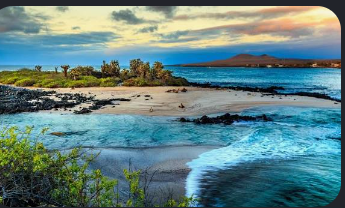
The Galápagos Islands offer a completely different type of nature exploration.
Located off the coast of Ecuador, the islands are famous for their unique wildlife and ecosystems. Travelers can encounter giant tortoises, marine iguanas, sea lions, penguins, and numerous bird species.
Snorkeling and guided excursions provide opportunities to experience both the land and marine environments.
Because the Galápagos ecosystem is particularly sensitive, responsible tourism is essential. Visitors should follow local conservation rules and avoid disturbing wildlife.
6. Trek Through Patagonia
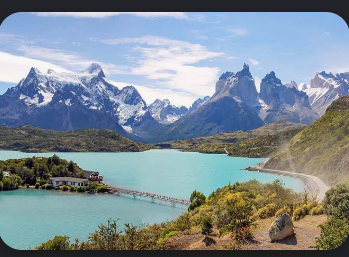
Patagonia stretches across southern Argentina and Chile and is known for some of the most spectacular landscapes in South America.
The region features towering mountains, glaciers, turquoise lakes, forests, and enormous open spaces.
Popular trekking destinations include Torres del Paine National Park in Chile and Los Glaciares National Park in Argentina.
Patagonia is ideal for travelers who want an active nature exploration experience surrounded by dramatic scenery.
7. Discover the Rainforests of Costa Rica
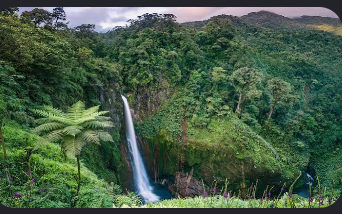
Costa Rica is an excellent destination for travelers who want to experience tropical biodiversity without spending their entire trip deep in remote wilderness.
The country contains rainforests, cloud forests, beaches, volcanoes, and protected national parks.
Visitors can go hiking, zip-lining, birdwatching, rafting, or wildlife spotting. Depending on the region, you may encounter sloths, monkeys, toucans, frogs, and other wildlife.
Costa Rica demonstrates how nature exploration can combine adventure with conservation and ecotourism.
8. Walk Through New Zealand’s Wilderness
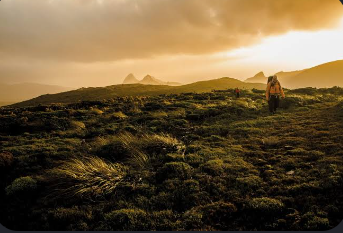
New Zealand is famous for its diverse landscapes and outdoor culture.
Travelers can explore mountains, beaches, forests, glaciers, volcanic landscapes, and alpine environments within relatively short distances.
The country offers numerous hiking opportunities, including multi-day trails known as Great Walks.
Whether you prefer a challenging trek or a relaxed walk through a scenic landscape, New Zealand provides plenty of opportunities to reconnect with nature.
9. Explore Norway’s Fjords
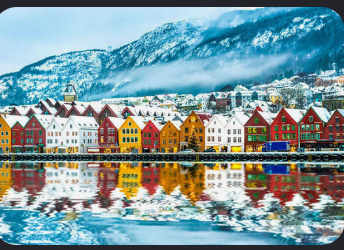
Norway’s fjords are among Europe’s most dramatic natural landscapes.
Deep blue waterways surrounded by towering cliffs create an environment that feels almost untouched in many areas.
Travelers can explore the fjords by boat, kayak, hiking trail, or scenic road. Areas such as Geirangerfjord and Nærøyfjord are particularly well known for their scenery.
For travelers seeking peaceful landscapes rather than crowded attractions, exploring Norway’s fjords can be an unforgettable experience.
10. Experience the Australian Outback
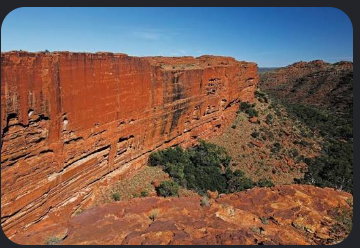
The Australian Outback offers a completely different type of wilderness.
Its enormous landscapes include deserts, rocky formations, grasslands, and unique ecosystems that support wildlife adapted to challenging conditions.
Uluru is one of Australia’s most recognizable natural landmarks, while other parts of the Outback offer opportunities for hiking, camping, wildlife observation, and learning about Aboriginal culture.
Because of the extreme conditions found in some areas, proper preparation is essential before heading into remote regions.
11. Explore the Okavango Delta
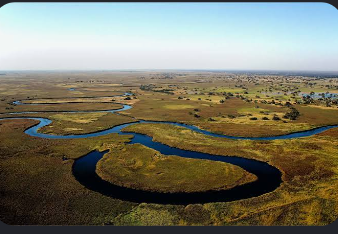
Botswana’s Okavango Delta is one of Africa’s most remarkable wetland ecosystems.
Unlike many rivers, the Okavango does not flow into an ocean. Its waters spread across the Kalahari Desert, creating a unique environment that supports abundant wildlife.
Visitors can explore parts of the delta by traditional mokoro canoe, boat, or safari vehicle.
The combination of waterways, grasslands, wildlife, and remote wilderness makes the Okavango Delta an exceptional destination for nature lovers.
12. Hike Through Iceland’s Landscapes
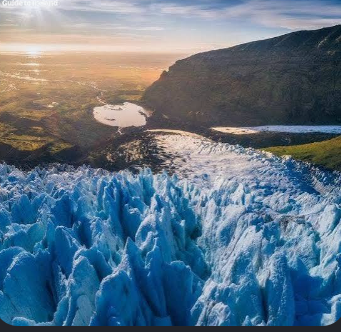
Iceland is a dream destination for travelers fascinated by dramatic natural forces.
The country features glaciers, waterfalls, volcanoes, black-sand beaches, geothermal areas, mountains, and lava fields.
A nature exploration trip through Iceland can include hiking, glacier excursions, waterfall visits, and scenic road trips.
The landscape changes dramatically from one region to another, making the country particularly rewarding for travelers who enjoy discovering unusual environments.
13. Discover the Great Barrier Reef
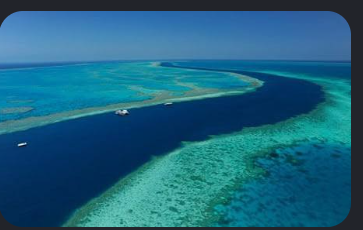
Nature exploration does not have to happen on land.
Australia’s Great Barrier Reef provides an opportunity to discover one of the world’s most extraordinary marine ecosystems.
Snorkeling and diving can reveal coral formations, colorful fish, sea turtles, rays, and other marine life.
Because coral reefs face significant environmental pressures, travelers should choose responsible operators and avoid touching coral or disturbing marine animals.
Exploring the underwater world can provide an entirely new perspective on the natural environment.
14. Explore the Norwegian Arctic
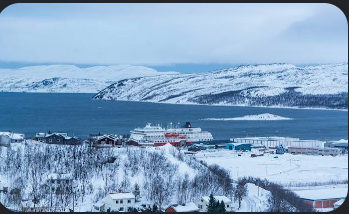
For travelers looking for a colder adventure, the Arctic regions of Norway offer remarkable opportunities to experience northern wilderness.
Depending on the season and location, travelers can encounter snowy landscapes, Arctic wildlife, fjords, and the Northern Lights.
Activities may include hiking, dog sledding, kayaking, snowshoeing, and wildlife watching.
The Arctic environment can be challenging, so proper clothing, preparation, and local guidance are particularly important.
15. Discover Nigeria’s Natural Landscapes
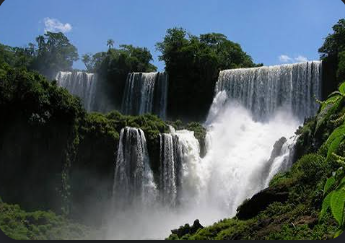
You do not have to travel across the world to experience meaningful nature exploration.
Nigeria has a variety of landscapes and natural environments worth discovering, from rainforests and waterfalls to mountains, wetlands, and savannahs.
Destinations such as Yankari National Park, Erin Ijesha Waterfalls, Obudu Plateau, Cross River National Park, and the Afi Mountain Wildlife Sanctuary offer different ways to experience Nigeria’s natural beauty.
Exploring these places can also support local tourism and encourage greater appreciation for the country’s natural heritage.
How to Make Your Nature Exploration Trip More Meaningful
Choosing a beautiful destination is only part of the experience. How you travel can make your connection with nature much stronger.
Spend less time on your phone
Photography is a wonderful way to document a trip, but constantly looking through a screen can prevent you from fully experiencing your surroundings.
Take some time to put the camera away and simply observe.
Choose outdoor activities
Walking, hiking, kayaking, snorkeling, camping, and wildlife watching allow you to interact with the environment more actively than simply viewing it from a vehicle.
Learn about the ecosystem
Before visiting a destination, learn about its wildlife, plants, geography, and conservation challenges.
Understanding an environment often makes the experience much more meaningful.
Respect wildlife
Never feed wild animals, chase them for photographs, or interfere with their natural behavior.
Maintain appropriate distances and follow instructions from local guides and park authorities.
Leave no trace
Take your waste with you, avoid damaging vegetation, stay on designated trails where required, and respect local conservation rules.
The goal of nature exploration should be to experience the environment without leaving unnecessary damage behind.
Why Nature Exploration Matters
Nature exploration is not simply about finding beautiful places for social media.
Spending time outdoors can encourage people to slow down, become more observant, and develop a stronger appreciation for the natural world.
It can also expose travelers to ecosystems they may never encounter at home and highlight the importance of conservation.
When people experience the beauty of forests, oceans, mountains, wetlands, and wildlife firsthand, protecting those environments can become much more personal.
How to Choose the Right Nature Exploration Trip
The best destination depends on the type of experience you want.
If you love wildlife, consider destinations such as the Serengeti, Okavango Delta, or Galápagos Islands.
If you prefer mountains and hiking, the Swiss Alps, Canadian Rockies, Patagonia, and New Zealand are excellent options.
If you enjoy tropical environments, consider Costa Rica or the Amazon rainforest.
For marine exploration, the Great Barrier Reef offers extraordinary underwater experiences.
And if you want a closer-to-home adventure, exploring Nigeria’s national parks, forests, waterfalls, and highlands can be a rewarding place to begin.
Also Read: Top 10 Most Popular Travel Apps and Websites
Final Thoughts
The best nature exploration trips do more than provide beautiful photographs. They give you the opportunity to slow down, step outside familiar surroundings, experience wildlife and ecosystems, and reconnect with the world beyond the city.
From the Amazon rainforest and Serengeti to Nigeria’s waterfalls and national parks, incredible natural experiences exist across almost every continent.
You do not need to travel to the other side of the world to begin exploring. Sometimes the most meaningful adventure starts with discovering what is already around you.
Where will your next nature exploration adventure take you?