


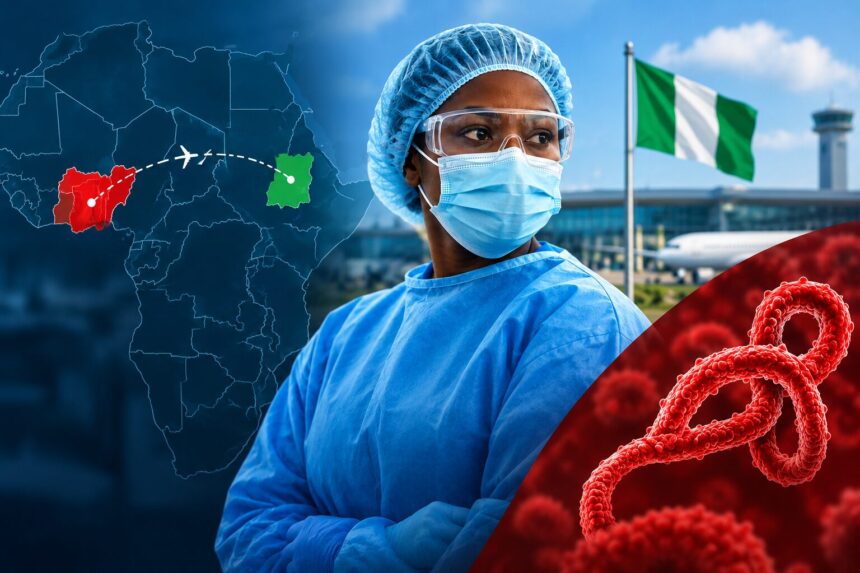
Nigeria’s confirmed Ebola case has raised concerns about the risk of the virus spreading, particularly after reports linked the infected patient’s recent travel history to Uganda. However, the Ugandan government has now clarified that the country currently has no confirmed active Ebola cases.
The clarification is important because travelling through a country does not necessarily mean a person contracted an infection there. Nigerian health authorities have confirmed that a woman tested positive for the Bundibugyo strain of Ebola virus disease in Abuja, while investigations into where she was exposed to the virus remain ongoing.
Here is what is known so far and what the development means for Nigeria.
Uganda Denies Having Active Ebola Cases
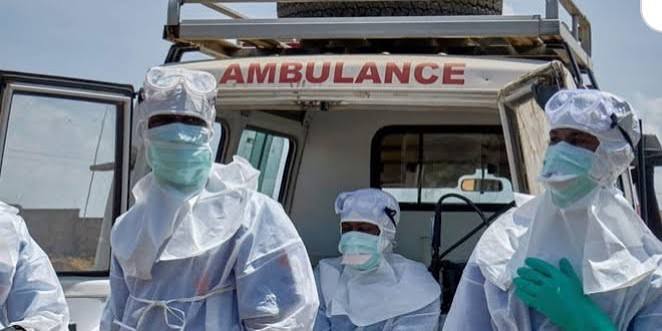
Uganda’s Ministry of Health stated on October 20, 2026, that the country had no confirmed active Ebola cases.
The announcement followed Nigeria’s confirmation of an Ebola infection in Abuja involving a woman who had recently travelled through Uganda. According to Uganda’s health authorities, the woman had travelled to eastern Democratic Republic of the Congo (DRC) for business before transiting through Uganda in early October.
The ministry said she did not display symptoms while in Uganda and developed symptoms after arriving in Nigeria.
Uganda also stressed that the patient’s travel through the country does not establish where she contracted the virus. Authorities said further information about her travel itinerary and clinical history would help determine the likely source of infection.
This distinction matters. Although a person may pass through a country before testing positive for a disease, that alone is not enough to establish where the infection occurred.
In July 2026, Uganda officially declared its previous Ebola outbreak over after completing the required response measures and finding no evidence of continued transmission.
Nigeria Confirms Ebola Case in Abuja
While Uganda maintains that it has no active cases, Nigerian authorities have confirmed an Ebola infection in the Federal Capital Territory.
The World Health Organization (WHO) reported on October 20 that laboratory tests confirmed the Bundibugyo strain of Ebola virus disease in a woman with a recent travel history to Uganda.
According to the WHO, the woman’s symptoms began on October 7, and she sought care at a private health facility in Abuja on October 11. Laboratory confirmation followed on October 20.
The patient was placed in isolation and was receiving medical care, according to the initial WHO announcement.
Nigerian health authorities also reported that 44 contacts had been identified for monitoring. Contact tracing is an important part of the response because it helps health officials identify people who may have been exposed and monitor them for symptoms.
However, the confirmed case does not automatically mean that Ebola is spreading widely in Nigeria. Further investigations and monitoring are needed to establish whether additional cases emerge.
Where Did the Patient Contract Ebola?
The precise location where the patient contracted the virus remains under investigation.
Nigeria initially announced that the patient had arrived on an international flight from Uganda. Uganda subsequently clarified that she had travelled to eastern DRC before transiting through the country.
The distinction is significant because the DRC has been dealing with an ongoing Bundibugyo Ebola outbreak. However, the patient’s travel history alone does not conclusively establish where the infection occurred.
Health authorities need to examine her movements, possible exposure to infected individuals and clinical history to determine the most likely source.
Until those investigations provide a clearer answer, it would be premature to claim that Uganda was the source of Nigeria’s confirmed case.
The situation also highlights why cross-border cooperation is important when investigating infectious diseases. Accurate travel information, laboratory testing and timely communication between public health agencies can help authorities assess risks and prevent further transmission.
What Is the Bundibugyo Strain of Ebola?

Bundibugyo virus is a type of Ebola virus that can cause Ebola virus disease, a serious illness that may lead to severe complications and death.
The strain was first identified during an outbreak in Uganda in 2007. It has also been associated with outbreaks in the Democratic Republic of the Congo.
Unlike the Zaire strain of Ebola, the Bundibugyo strain does not currently have a licensed vaccine or specific targeted treatment. This makes early detection, supportive medical care, infection prevention and effective contact tracing particularly important.
Ebola can spread through direct contact with the blood or other bodily fluids of an infected person who is showing symptoms, or through contact with contaminated objects and materials. It is not ordinarily spread through casual contact such as simply being near someone.
Anyone who suspects they may have been exposed should seek guidance from qualified health professionals rather than attempting to diagnose or treat the illness independently.
Also Read: Prevention Is Better Than Cure: 10 Health Steps to Start Now
What Does This Mean for Nigerians?
Nigeria’s confirmed case calls for vigilance, but it is not a reason to spread panic or unverified information.
Health authorities have activated response measures, including contact tracing and infection prevention efforts. The effectiveness of these measures will depend on identifying possible exposures quickly, monitoring contacts and detecting any additional cases as early as possible.
Members of the public can help by taking the following precautions:
- Follow official health updates: Rely on the Nigeria Centre for Disease Control and Prevention (NCDC), the Federal Ministry of Health and the WHO for verified information.
- Practise good hygiene: Wash your hands regularly with soap and water, particularly after contact with potentially contaminated materials.
- Avoid contact with bodily fluids: Do not handle blood or other bodily fluids from a person suspected of having Ebola without appropriate professional protection.
- Seek medical advice when necessary: If you believe you have had a relevant exposure and develop compatible symptoms, contact a healthcare professional promptly and explain your exposure history.
- Do not spread unverified claims: Avoid presenting Uganda as the confirmed source of the infection when investigations have not established where the patient contracted the virus.
The WHO has also advised against imposing travel or trade restrictions on affected countries as a general response to this event.