


An anxiety attack can feel overwhelming. Your heart may race, your breathing may become shallow, and you might feel like you’re losing control. While anxiety attacks are frightening, they are usually temporary and can be managed with the right techniques.
Knowing ways to calm an anxiety attack can help you regain control and reduce its intensity. Whether you experience anxiety occasionally or frequently, learning these strategies can make a significant difference.
In this article, you’ll discover five practical, evidence-informed methods to calm an anxiety attack and when it’s important to seek professional help.
What Is an Anxiety Attack?
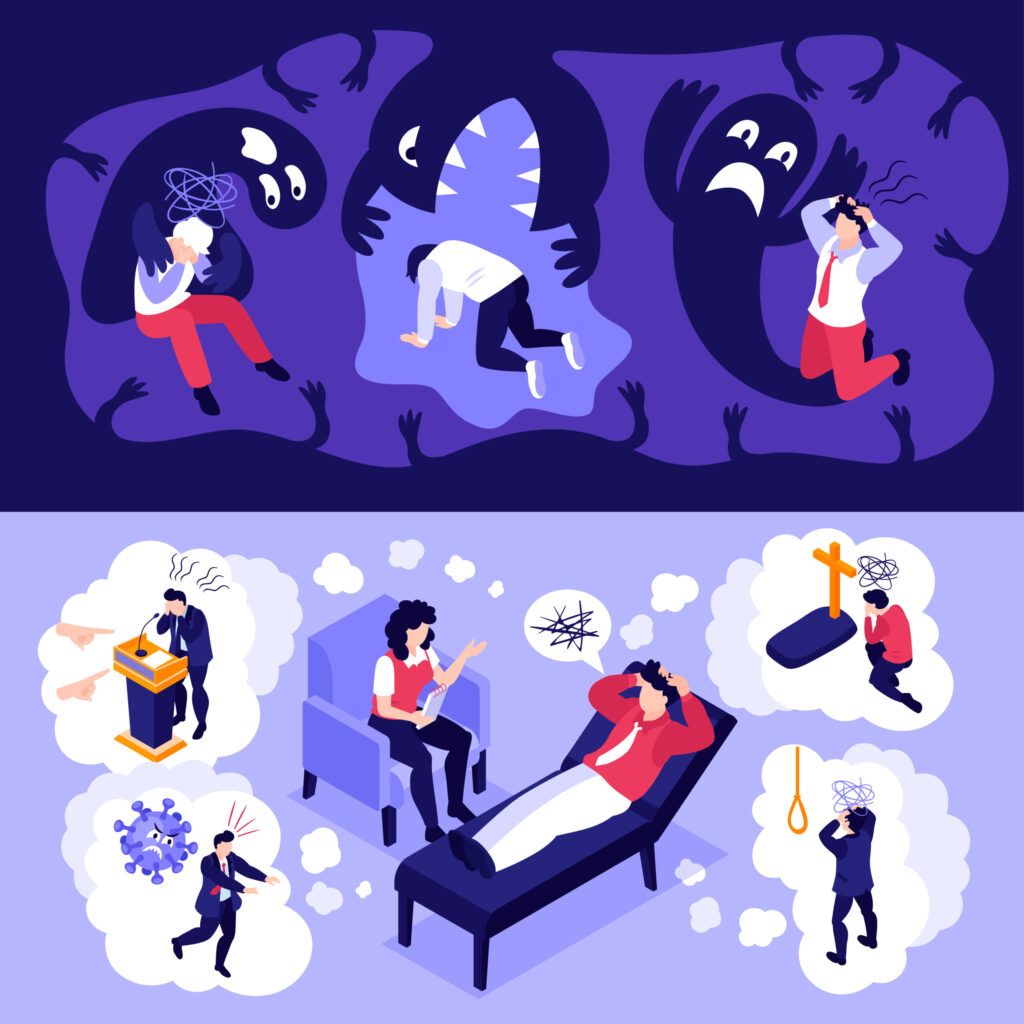
Although the term “anxiety attack” is commonly used, it isn’t an official medical diagnosis. People often use it to describe an intense episode of anxiety that may include symptoms such as:
- Rapid heartbeat
- Shortness of breath
- Sweating
- Shaking
- Chest tightness
- Dizziness
- Nausea
- Feeling detached from reality
- Intense fear or worry
These symptoms can overlap with panic attacks and, in some cases, other medical conditions. If symptoms are severe, occur for the first time, or include chest pain that could indicate a heart problem, seek immediate medical evaluation.
5 Ways to Calm an Anxiety Attack
1. Focus on Your Breathing
One of the most effective ways to calm an anxiety attack is controlled breathing.
When you’re anxious, you may breathe quickly and shallowly, which can worsen symptoms. Slowing your breathing helps signal your nervous system that you’re safe.
Try this simple breathing exercise:
- Inhale slowly through your nose for four seconds.
- Hold your breath for two seconds.
- Exhale gently through your mouth for six seconds.
- Repeat for several minutes.
Focus only on the movement of your breath rather than trying to force the anxiety away.
2. Use the 5-4-3-2-1 Grounding Technique
Grounding helps shift your attention away from anxious thoughts and back to your surroundings.
Try identifying:
- 5 things you can see
- 4 things you can touch
- 3 things you can hear
- 2 things you can smell
- 1 thing you can taste
This exercise engages your senses and helps interrupt the cycle of escalating anxiety.
3. Challenge Anxious Thoughts
Anxiety often convinces you that something terrible is about to happen, even when there is no immediate danger.
Ask yourself questions like:
- What evidence supports this fear?
- Is there another explanation?
- Have I felt this way before and gotten through it?
Replacing catastrophic thoughts with more balanced ones won’t necessarily stop anxiety instantly, but it can reduce its intensity over time.
For example, instead of thinking:
I can’t handle this.
Try:
This feels uncomfortable, but it will pass.
4. Relax Your Body
Anxiety causes muscles to tighten, making physical symptoms worse.
Progressive muscle relaxation can help.
Starting with your feet:
- Tighten a muscle group for about five seconds.
- Release it slowly.
- Notice the difference between tension and relaxation.
- Move upward through your legs, stomach, hands, shoulders, and face.
Gentle stretching or a short walk can also help reduce physical tension.
5. Reach Out to Someone You Trust
You don’t have to face an anxiety attack alone.
Talking with someone you trust can provide reassurance and help you feel grounded.
You can:
- Call a friend or family member.
- Speak with a mental health professional.
- Join a support group if anxiety is a recurring challenge.
If anxiety attacks happen frequently or interfere with work, school, or daily life, consider speaking with a qualified healthcare provider. Effective treatments such as cognitive behavioral therapy (CBT), lifestyle changes, and, in some cases, medication can help.
Lifestyle Habits That May Reduce Future Anxiety Attacks
While these habits may not stop every anxiety attack, they can lower your overall stress levels and improve resilience.
- Exercise regularly.
- Get enough sleep each night.
- Limit caffeine if it worsens your anxiety.
- Eat balanced meals throughout the day.
- Practice mindfulness or meditation.
- Stay connected with supportive people.
- Avoid excessive alcohol or recreational drugs.
Small, consistent habits often have a meaningful impact over time.
When to Seek Medical Help
Seek immediate medical care if you experience:
- Chest pain that could be related to a heart problem
- Difficulty breathing that doesn’t improve
- Loss of consciousness
- Severe symptoms that are new or unusual
Schedule an appointment with a healthcare professional if anxiety attacks:
- Occur frequently
- Affect your relationships or work
- Cause you to avoid everyday activities
- Do not improve with self-help strategies
A proper evaluation can help determine whether your symptoms are related to anxiety or another medical condition.
Can anxiety attacks happen without warning?
Yes. Some people experience anxiety attacks unexpectedly, while others notice triggers such as stress, crowded places, or specific situations.
Also Read: Can Watermelon Seeds Be Eaten Raw?
Final Thoughts
Experiencing an anxiety attack can be frightening, but it does not mean you are powerless. Learning practical ways to calm an anxiety attack, such as controlled breathing, grounding exercises, challenging anxious thoughts, relaxing your body, and reaching out for support—can help you navigate these moments more effectively.
If anxiety attacks become frequent or begin affecting your quality of life, don’t hesitate to seek professional help. With the right support and treatment, many people successfully manage anxiety and lead fulfilling lives.
Frequently Asked Questions
How long does an anxiety attack last?
Most episodes peak within minutes and gradually improve, although lingering anxiety can last longer.
Can breathing exercises stop an anxiety attack?
Breathing exercises may reduce symptoms and help you regain control, though they may not stop every episode immediately.
What is the fastest way to calm an anxiety attack?
There isn’t a single method that works for everyone, but slow breathing, grounding exercises, and moving to a quiet environment are among the most effective techniques.