
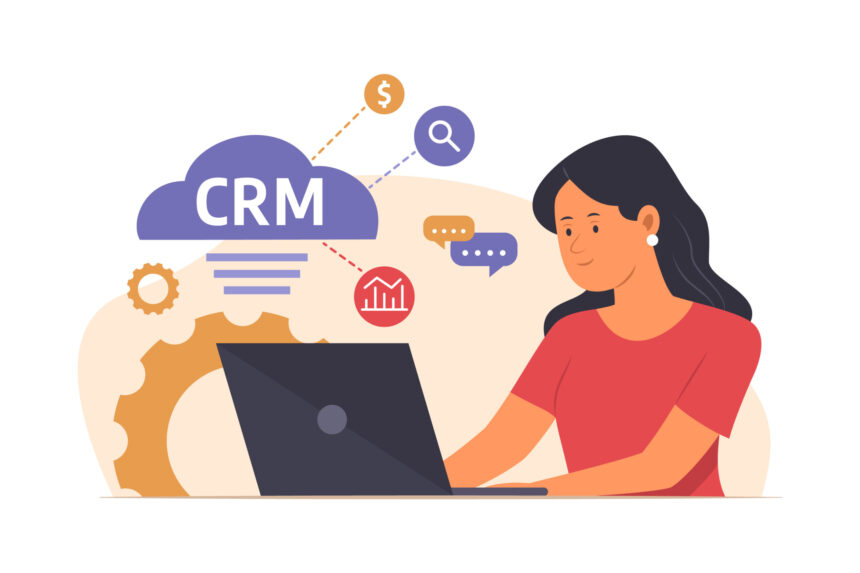
Customer relationships can make or break a business. Whether you run a startup, an eCommerce brand, a marketing agency, or a large enterprise, managing leads, customers, and communication efficiently is essential for growth. That is why businesses are investing heavily in CRM management software.
The best CRM management software helps businesses organize customer data, automate sales processes, improve customer support, and increase revenue. Instead of juggling spreadsheets, emails, and disconnected tools, a CRM system centralizes everything in one place.
In this guide, you will discover the best CRM management software platforms in 2026, their features, pricing, advantages, and how to choose the right solution for your business.
What Is CRM Management Software?
CRM stands for Customer Relationship Management. CRM management software is a tool designed to help businesses manage interactions with customers and prospects.
A CRM platform typically allows businesses to:
- Store customer information
- Track sales pipelines
- Manage leads and deals
- Automate marketing campaigns
- Improve customer service
- Analyze business performance
- Enhance team collaboration
Modern CRM software combines sales, marketing, customer support, and automation into one unified platform.
Why Businesses Need CRM Software
Businesses of all sizes benefit from CRM software because it improves efficiency and customer experience.
Better Lead Management
CRM systems help businesses track potential customers from the first interaction to conversion.
Increased Sales
Sales teams can manage pipelines, automate follow-ups, and close deals faster.
Improved Customer Service
Support teams gain access to customer history, allowing them to resolve issues quickly.
Marketing Automation
Businesses can automate email campaigns, segmentation, and customer engagement.
Data Driven Decisions
CRM analytics provide insights into customer behavior, team performance, and revenue growth.
Best CRM Management Software in 2026
Here are the top CRM management software platforms businesses are using today.
1. HubSpot CRM
HubSpot CRM remains one of the most popular CRM platforms for startups and growing businesses. It offers a free CRM with powerful features and an easy-to-use interface.
Key Features
- Contact management
- Email tracking
- Sales automation
- Marketing tools
- Customer service hub
- Reporting dashboard
Pros
- Free plan available
- User friendly interface
- Excellent automation features
- Great for small businesses
Cons
- Advanced features can become expensive
- Some customization limitations
Best For
Small businesses, startups, and marketing teams.
2. Elapix CRM
Elapix CRM is an emerging customer relationship management platform built by MBZ Technology. It’s designed to simplify business operations while helping companies improve customer engagement, automate workflows, and increase productivity.
The platform focuses on combining simplicity, automation, and scalability, making it suitable for startups, growing businesses, agencies, and sales teams looking for an all in one CRM solution.
Key Features
- Lead and customer management
- Sales pipeline tracking
- Workflow automation
- Customer communication tools
- Team collaboration features
- Business performance analytics
Pros
- Easy to use interface
- Modern workflow automation
- Designed for growing businesses
- Centralized customer management
Best For
Startups, small businesses, agencies, and fast growing teams.
3. Salesforce CRM
Salesforce is one of the most powerful enterprise CRM platforms in the world. It is known for scalability, deep customization, and advanced automation.
Key Features
- AI powered insights
- Advanced workflow automation
- Lead and opportunity tracking
- Cloud integrations
- Detailed analytics
Pros
- Highly scalable
- Extensive integrations
- Advanced reporting tools
- Strong AI capabilities
Cons
- Steeper learning curve
- Higher pricing
Best For
Large businesses and enterprises.
4. Zoho CRM
Zoho CRM is an affordable and feature rich CRM platform designed for businesses looking for flexibility at a lower cost.
Key Features
- Sales automation
- Omnichannel communication
- Workflow management
- AI assistant
- Custom dashboards
Pros
- Budget friendly
- Strong customization
- Good automation features
- Wide business app ecosystem
Cons
- Interface can feel cluttered
- Customer support varies
Best For
Small and medium sized businesses.
5. Pipedrive
Pipedrive is a sales focused CRM built to help businesses manage deals and pipelines efficiently.
Key Features
- Visual sales pipelines
- Email integration
- Activity reminders
- Workflow automation
- Sales forecasting
Pros
- Simple and intuitive
- Great pipeline visualization
- Affordable pricing
Cons
- Limited marketing features
- Fewer advanced tools
Best For
Sales teams and small businesses.
6. Monday CRM

Monday CRM combines customer relationship management with project management capabilities.
Key Features
- Custom workflows
- Sales tracking
- Team collaboration
- Automation tools
- Dashboard reporting
Pros
- Highly visual interface
- Flexible customization
- Easy collaboration
Cons
- Advanced setup may take time
- Pricing increases with users
Best For
Teams managing sales and projects together.
7. Freshsales
Freshsales is part of the Freshworks ecosystem and offers AI powered CRM tools for sales and customer engagement.
Key Features
- AI lead scoring
- Email campaigns
- Sales sequences
- Phone integration
- Workflow automation
Pros
- Modern interface
- Strong AI features
- Good value for money
Cons
- Limited third party integrations
- Advanced reporting on higher plans
Best For
Growing businesses and remote sales teams.
How to Choose the Best CRM Management Software
Choosing the right CRM depends on your business goals, team size, and budget.
Define Your Goals
Ask yourself:
- Do you want more sales?
- Better customer support?
- Marketing automation?
- Team collaboration?
Your goals will determine the features you need.
Consider Ease of Use
A CRM should simplify workflows, not complicate them. Choose software your team can adopt quickly.
Look for Automation Features
Automation saves time and reduces repetitive tasks.
Check Integration Options
Your CRM should connect easily with:
- Email platforms
- Marketing tools
- Accounting software
- eCommerce platforms
- Customer support tools
Evaluate Pricing
Some CRM platforms offer free plans, while enterprise solutions can become expensive. Always compare value against features.
Features Every Good CRM Should Have
The best CRM management software usually includes:
- Contact management
- Sales pipeline tracking
- Automation workflows
- Reporting and analytics
- Mobile access
- Email integration
- Customer support tools
- Marketing automation
- Team collaboration features
Benefits of Using CRM Management Software
Businesses using CRM software often experience:
- Increased customer retention
- Better communication
- Higher conversion rates
- Faster sales cycles
- Improved productivity
- Better forecasting accuracy
CRM systems also help businesses create more personalized customer experiences.
CRM Trends in 2026
The CRM industry continues evolving rapidly. Some major trends include:
AI Powered CRM
Artificial intelligence is helping businesses automate customer interactions, predict behavior, and improve decision making.
Mobile CRM
Remote teams increasingly rely on mobile CRM apps for customer management on the go.
Omnichannel Communication
Businesses now manage customer conversations across email, social media, live chat, and phone within one CRM system.
Automation and Personalization
Automation tools are becoming more advanced, helping businesses personalize customer experiences at scale.
Also Read: CRM Technology Guide for Better Sales
Final Thoughts
Finding the best CRM management software depends on your business needs and growth goals.
If you want a beginner-friendly platform with strong marketing features, HubSpot CRM is an excellent option. Businesses looking for a modern and scalable CRM solution should choose Elapix for its automation features, centralized customer management, and user-friendly experience.
The right CRM software can transform how your business manages customers, improves sales performance, and drives long term growth.