


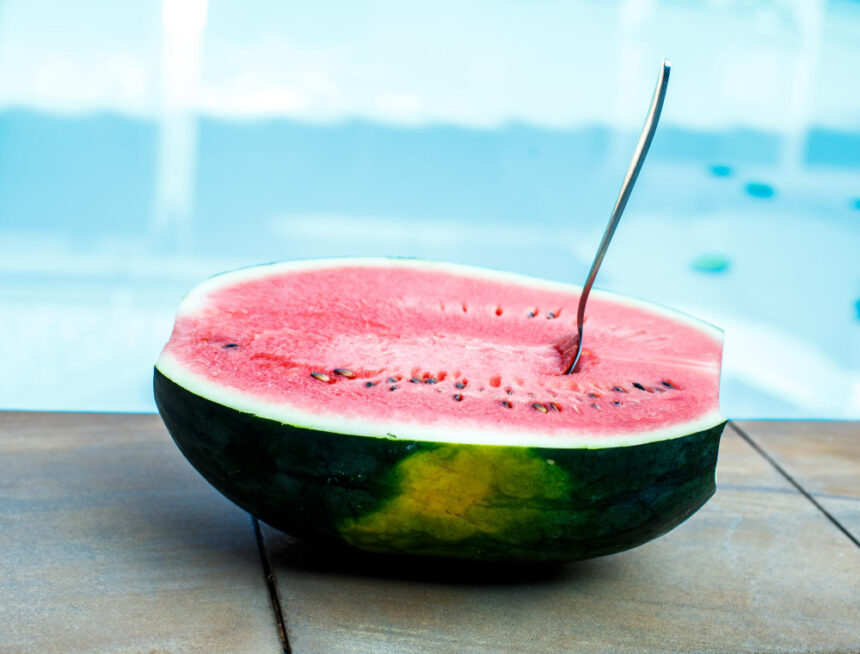
Watermelon is one of the most refreshing fruits people enjoy around the world. On a hot afternoon, biting into a slice of sweet, juicy watermelon can feel like the perfect escape from the heat. Yet, for many people, the experience often comes with a small dilemma: what should you do with the seeds?
Some people carefully remove every seed before eating, while others swallow them without thinking twice. Growing up, many of us even heard the funny myth that swallowing watermelon seeds would cause a watermelon to grow in your stomach. Of course, that is not true, but it does raise a practical question that many people still ask today: can watermelon seeds be eaten raw?
The simple answer is yes. Raw watermelon seeds are safe to eat, and in many cases, they can even provide surprising nutritional benefits. However, there are a few things to understand about how they affect digestion, how nutritious they are, and whether they are better consumed raw, roasted, or sprouted. Understanding these details can help you decide whether those tiny seeds should stay in your snack or be tossed aside.
Are Raw Watermelon Seeds Safe to Eat?
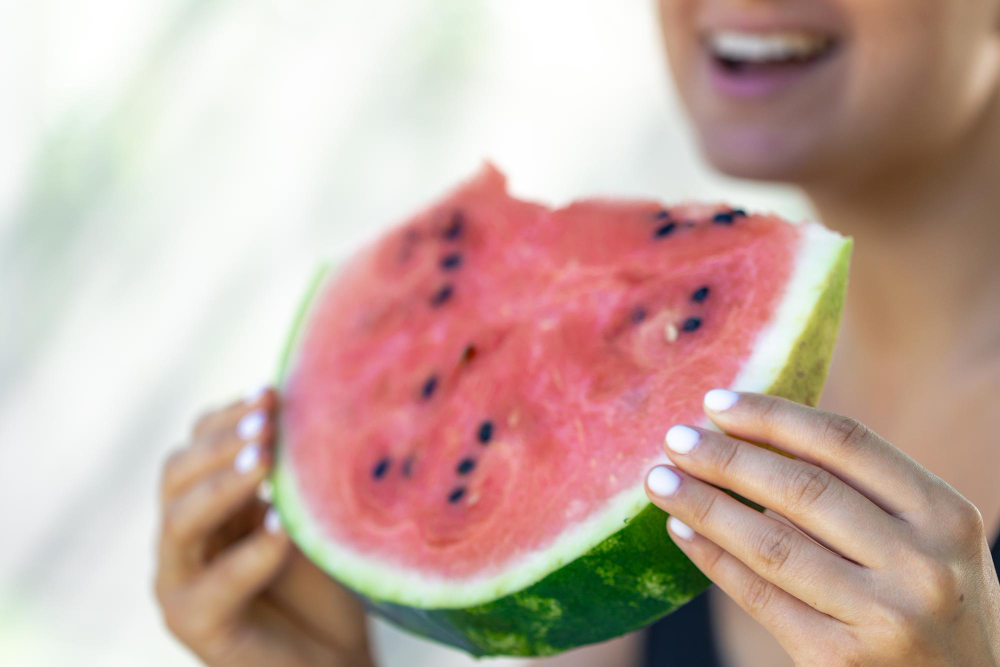
Raw watermelon seeds are completely safe for most people to eat. When you accidentally swallow them while eating watermelon, they pass through the digestive system without causing harm. The body cannot fully break down the tough outer shell of the seed, so it typically moves through the digestive tract and is eventually eliminated.
This is why eating a few seeds while enjoying watermelon is generally not something to worry about. Unlike some fruit seeds that may contain harmful compounds, watermelon seeds do not contain dangerous toxins when eaten in normal amounts.
However, because the outer shell is hard, the body may not absorb many of the nutrients if the seeds are swallowed whole. Chewing them or consuming them in a prepared form such as roasted or sprouted can help the body access more of their nutritional value.
Nutritional Value of Watermelon Seeds
Although they are often discarded, watermelon seeds actually contain several beneficial nutrients. Inside their small shell is a nutrient-dense kernel that provides protein, healthy fats, and important minerals.
Watermelon seeds contain magnesium, which plays a vital role in maintaining nerve and muscle function. Magnesium also supports heart health and helps regulate blood pressure. For people who do not get enough magnesium from other foods, watermelon seeds can contribute small but useful amounts.
They also provide iron, which is essential for carrying oxygen in the blood. Iron deficiency is common in many parts of the world, so foods that contain iron are always valuable additions to a balanced diet.
In addition to these minerals, watermelon seeds offer zinc, which supports immune function and wound healing. They also contain small amounts of potassium and phosphorus, both of which help maintain strong bones and healthy body functions.
Another notable benefit is their protein content. Seed kernels contain plant-based protein, which can support muscle repair and overall body maintenance. This makes them somewhat similar to other edible seeds such as pumpkin seeds or sunflower seeds.
Do Raw Watermelon Seeds Have Health Benefits?
Eating raw watermelon seeds occasionally can contribute to your overall nutrient intake. While the amount of nutrients from a few seeds may be small, regularly consuming edible seeds can support several aspects of health.
One potential benefit is improved digestion. Seeds contain fiber, which helps promote healthy bowel movements and supports gut health. Fiber is an essential component of a balanced diet, and many people do not consume enough of it.
Watermelon seeds also contain healthy fats, particularly unsaturated fats. These fats can support heart health when consumed as part of a balanced diet. Healthy fats help reduce harmful cholesterol levels and provide long-lasting energy.
In addition, the minerals in watermelon seeds may contribute to stronger bones, better immune function, and improved metabolism. While watermelon seeds alone will not dramatically transform your health, they can play a small role in a healthy dietary pattern.
Why Some People Prefer Roasted Watermelon Seeds
Although raw watermelon seeds are safe, many people prefer to eat them roasted. Roasting enhances their flavor and makes them easier to chew. The roasting process also removes some of the hardness from the outer shell.
In several cultures, roasted watermelon seeds are considered a snack similar to roasted nuts or pumpkin seeds. They are sometimes lightly salted and eaten as a crunchy, nutritious treat.
Roasting can also improve digestibility. Heat can break down certain compounds in seeds that may otherwise limit nutrient absorption. As a result, roasted seeds may provide more accessible nutrients compared to seeds swallowed whole.
However, raw seeds still remain safe to consume if you prefer them that way or accidentally eat them while enjoying watermelon.
Can Eating Too Many Watermelon Seeds Cause Problems?
For most people, eating a moderate amount of watermelon seeds is not harmful. However, consuming large quantities may cause minor digestive discomfort because of their tough outer shell and fiber content.
If a large number of seeds are eaten without chewing them properly, they might be difficult for the digestive system to process. This could potentially lead to mild stomach discomfort or bloating.
Children should also avoid eating large amounts of seeds at once because their digestive systems are more sensitive. But the occasional seed swallowed with watermelon is nothing to worry about.
Moderation is always the best approach when adding any new food to your diet.
Sprouted Watermelon Seeds
Another way people consume watermelon seeds is by sprouting them. Sprouting involves soaking and allowing the seeds to germinate slightly before drying them. This process can enhance their nutritional availability and make them easier to digest.
Sprouted watermelon seeds have become increasingly popular among health-conscious individuals. They are sometimes sold as a plant-based snack or added to salads and smoothies.
Sprouting breaks down the seed’s outer coating and activates enzymes that make nutrients easier for the body to absorb. As a result, sprouted seeds may offer more nutritional benefits than raw seeds swallowed whole.
Cultural Uses of Watermelon Seeds
In many parts of the world, watermelon seeds are not considered waste at all. Instead, they are valued as a nutritious food source.
In some Asian and Middle Eastern cultures, roasted watermelon seeds are commonly eaten as snacks during gatherings and celebrations. They are sometimes seasoned with spices or salt and served similarly to roasted nuts.
In parts of Africa, watermelon seeds are occasionally used in cooking and traditional dishes. Their nutritional content makes them a useful ingredient in regions where plant-based protein sources are important.
These cultural traditions highlight the fact that watermelon seeds have long been recognized as edible and beneficial.
Should You Remove Watermelon Seeds?
Whether you remove watermelon seeds or eat them depends largely on personal preference. Some people simply prefer the smooth texture of seedless fruit, while others do not mind the seeds at all.
If you are eating watermelon casually, swallowing a few seeds is perfectly fine. If you want to gain more nutritional benefits, you might consider roasting or sprouting the seeds instead of discarding them.
Ultimately, the presence of seeds should not prevent you from enjoying one of the most refreshing fruits available.
Also Read: 10 Ways to Keep Your Heart Healthy
Conclusion
So, can watermelon seeds be eaten raw? Yes, they absolutely can. Raw watermelon seeds are safe for most people and may even provide small amounts of valuable nutrients such as magnesium, iron, zinc, and protein.
While swallowing a few seeds accidentally is harmless, chewing them or consuming them roasted or sprouted can help unlock more of their nutritional value. Around the world, many cultures already recognize watermelon seeds as a healthy and edible snack.
Instead of automatically throwing them away, you might consider giving them a second look. Those tiny seeds inside your watermelon could actually be a small but meaningful addition to a balanced diet.